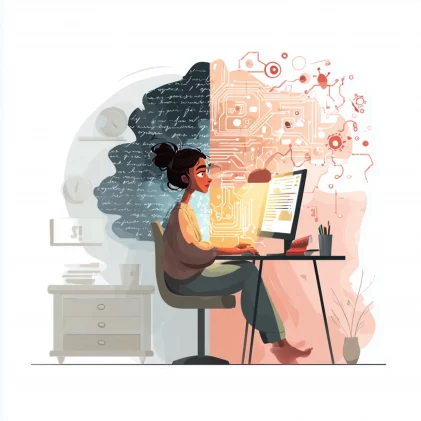
AI in Creative Work: Why Transparency Builds Trust
A Comprehensive Guide for Modern Creators
Last Updated: November 2024 |
Reading Time: 25 minutes
Table of Contents
- Introduction: When Tools Change, So Do Expectations
- Trust and Connection: Why Transparency Feels Personal
- Regulatory, Ethical, and Legal Realities
- Navigating the Transparency Paradox
- Practical Examples Across Creative Fields
- Simple Technical Solutions for Transparency
- Frequently Asked Questions
- Conclusion: Moving Forward with Confidence
- Research Methodology & Transparency
- Sources and References
- Additional Resources and Tools
Introduction: When Tools Change, So Do Expectations
AI has quietly integrated our creative processes. Writers turn to it when they’re stuck on a chapter that won’t come together. Illustrators experiment with compositions and lighting before they ever touch their canvas. Musicians play with synthetic voices or sound patterns to hear how a melody might evolve. Even small-scale content creators rely on AI tools to prep scripts, clean up audio, or organize research before hitting record.
For many of us, this shift felt natural—almost inevitable. AI changed how we work in the same way earlier generations embraced pens over feathers and keyboards over typewriters. It acts as a creative assistant, speeding up research, streamlining drafts, and letting us focus on what truly matters: the human intention behind our work.
But there’s something deeper happening beneath the surface. Creators and their audiences are both experiencing a shift that’s subtle but significant. Ever since AI became a common creative tool, people have wanted clarity about how it’s being used. They want to understand what’s entirely human, what’s AI-assisted, and what’s somewhere in between. This isn’t driven by fear of AI—it comes from a genuine desire to connect with the creator.
When you follow a writer, illustrator, or musician, you’re tuning into more than their output. You’re connecting with a voice, a style, a perspective that resonates with you. When the creative process becomes murky or hidden, trust starts to crack. People don’t fear or reject AI itself. They simply want honesty about how it fits into the work they value.
Key Insight: Research across platforms tells the same story—audiences don’t reject AI outright. They reject secrecy. They reject content that feels suspiciously polished without any explanation. They reject discovering later that something they believed was entirely human-made was actually heavily AI-assisted, and no one mentioned it[1].
That discovery feels like a small betrayal, even when the content itself is good. Transparency has become a crucial part of the emotional bond between creators and their audiences. When creators openly share how AI contributed to their work, their audience feels respected.
Understanding this emotional dimension helps creators grasp why ethical AI practices matter. These aren’t abstract principles. They shape how audiences perceive a creator’s work and identity. They maintain trust in an era when digital content moves faster than ever. And they prepare creators for new regulations already taking shape, particularly in regions setting clear guidelines for AI transparency.
This piece is the start of a broader conversation. AI isn’t destroying creativity—it’s simply changing the expectations around it. The challenge for today’s creators isn’t whether to use AI, but how openly they talk about it. When handled thoughtfully, this transparency strengthens the audience relationship rather than weakening it.
Trust and Connection: Why Transparency Feels Personal
Trust doesn’t announce itself. It builds quietly through countless small signals that tell your audience who you are, how you work, and what you value. When people follow a creator, they’re rarely doing it just for the finished product. They follow because something in that creator’s voice feels genuine. They sense that the person behind the content wants to create something authentic, not just something perfect.
This is why transparency around AI feels so personal to audiences. It’s not about judging the tool—it’s about understanding the process. In creative work, the process matters almost as much as the result. When people enjoy a painting, a song, or an article, they often love the story behind it too. They want to know how the idea sparked, what inspired it, and how the creator brought it to life.
When AI enters the picture, audiences want to understand the human role in that process. They want to know whether the emotion they’re feeling came from you or from a machine generating something generic. This curiosity is completely natural. It’s the same impulse that makes people watch behind-the-scenes footage of movies or studio recording sessions. They want to feel closer to the person behind the work.
The Disclosure Advantage
Many creators worry that mentioning AI will make their work seem less valuable. They imagine disclosure will diminish their craft or hurt their credibility[2]. However, AI disclosure has a direct positive impact on user engagement intentions. When viewers know AI was involved, they may be more interested and willing to engage with the content[3].
Examples of Effective Disclosure:
- A writer mentions that AI helped with the outline but the story itself is entirely human
- A digital artist explains that AI assisted with lighting studies but the final piece was painted by hand
- A musician shares that AI helped explore harmonic possibilities before the final recording
A simple statement can make all the difference. When these clarifications are made, audiences relax. They can still see the human touch in the brushstrokes and the personal style in the composition.
The Cost of Silence
Silence, however, breeds uncertainty. When the process isn’t explained, audiences start guessing. Was this completely AI-generated? Lightly assisted? Copied from some unknown dataset? The lack of clarity makes people uncomfortable. They feel disconnected from the creator. They can’t tell which parts reflect the artist’s true vision.
This doesn’t mean creators need to justify every detail. Audiences aren’t looking for technical reports. They don’t need to know which AI model you used or what settings you tweaked. What they want is a sense of honesty—just a brief note about where AI fits in. That’s usually enough to preserve trust.
This honest approach also protects your creative identity. In today’s fast-paced digital landscape, content floods timelines every second. Creators stand out through their unique style, perspective, and connection with their audience. Transparency strengthens that identity. It shows you believe in your voice, even while using modern tools.
“Once creators understand this, AI stops feeling like a threat. Instead, it becomes a tool that enhances creativity while maintaining a clear connection with the audience.”
Trust grows through clarity. When creators explain their AI use in simple, open terms, their audience feels respected. That respect builds a solid foundation for a lasting relationship rooted in honesty.
Regulatory, Ethical, and Legal Realities
AI regulations are evolving rapidly. Many creators assume these rules only affect big tech companies or heavily regulated industries. The truth is, these regulations impact anyone who creates, publishes, or shares content online.
The EU AI Act: Setting the Standard
The European Union has taken the lead with the EU AI Act—one of the first major frameworks designed to ensure clarity, safety, and transparency in AI use. For creators, the key focus is clearer labeling of AI-generated or AI-assisted content.
This doesn’t mean documenting every sentence or brushstroke. It means being transparent when AI played a meaningful role in your work. The EU AI Act also identifies contexts where transparency is legally required, particularly in areas where misinformation or manipulation could cause harm.
Important: Most artists and creators won’t work in high-risk categories, but the broader message matters—transparency is shifting from optional to expected, and in some cases, legally required.
Platform Adaptations
Platforms are already adapting to this new reality:
- Amazon KDP now asks authors to disclose AI-generated or AI-assisted content in their books
- Medium has similar expectations for articles
- YouTube is rolling out features to identify synthetic content
- Art platforms like ArtStation now include labels for AI-generated images
These changes reflect a larger movement across the web. The goal is straightforward: people need to know when they’re engaging with AI-created content.
Copyright Considerations
Copyright law follows similar logic. In many jurisdictions, work created entirely by machines can’t be copyrighted—because copyright protects human creativity, not automated output. But when AI is used as a tool and humans guide the creative process, copyright remains valid.
The key factor is meaningful human involvement. Disclosure helps clarify that involvement, showing where human judgment shaped the work and where the tool provided support. These rules might feel burdensome at first, but they also protect creators. Clear disclosure shields you from accusations of hiding your process and helps prevent future disputes about whether something was machine-generated.
The Ethical Dimension
There’s also an ethical dimension beyond legal compliance. Ethical AI use means more than following rules—it means respecting your audience’s right to understand what they’re consuming. When creators share openly, they help establish healthy norms for the broader creative community. They demonstrate that AI can be used responsibly without overshadowing human intention.
This ethical aspect matters because AI-generated content spreads quickly. Being clear about how something was made helps maintain authenticity. It shows audiences there’s a person behind each piece—someone making choices, shaping ideas, and providing direction.
The Path Forward: For creators, the approach is straightforward. It doesn’t require legal expertise—just honesty. When AI plays a visible or substantial role in your final result, say so. If it only helps with minor tasks like spell-checking or formatting, disclosure is optional. The goal isn’t perfection. It’s clarity.
The digital creativity landscape is moving fast, and regulation is catching up. Creators who embrace transparency now will be better positioned—safer, clearer, and more trusted—in the long run.
Navigating the Transparency Paradox
Transparency sounds simple in theory: you tell your audience how AI was used, and everything’s clear. But once you start thinking about what to share, how much to explain, and how detailed to be, things get complicated. Many creators face the same tension—they want to be honest without overwhelming their audience or revealing more than necessary. This is the transparency paradox[4].
Finding the Balance
The first challenge is finding the balance between too little and too much information. Say nothing, and your audience might feel confused, wondering what came from you and what came from the tool. Silence breeds doubt. But share every detail, and you risk overwhelming people. Most don’t want a technical breakdown or a log of every prompt you entered. They want something simple and meaningful.
This paradox affects all types of creators:
- Writers wonder whether to mention that AI helped build an outline
- Illustrators question how much to share when using AI for reference images or color palettes
- Musicians debate whether to explain how a synthetic voice helped them experiment with harmonies
These questions show that transparency isn’t a rigid rule—it’s a contextual decision. The disclosure dilemma is often less of a technological problem, but a cultural and ethical adjustment challenge.
The Guiding Question
Ask Yourself: If your audience discovered later how AI contributed to your work, would they feel misled? If yes, disclose the involvement. If no, keep the disclosure brief or skip it.
This approach respects your audience without burdening you. Transparency doesn’t mean exposing your entire creative process. You don’t need to share every prompt, sketch, or intermediate file. You don’t need to reveal techniques that define your personal style.
Your job is to share enough for your audience to grasp your process without giving away all your creative secrets. Your identity as a creator still matters. Transparency should support you, not reduce your work to a set of instructions anyone could copy.
Why Simplicity Works
There’s also a practical reason to avoid oversharing. Too many details can introduce unnecessary risks or confusion. If you try explaining a tool in depth and get something wrong, it creates misunderstandings. Extra technical details might raise irrelevant questions about legality or copyright. Simplicity protects both you and your audience.
This is why short, clear disclosures work so well. They communicate truth without drowning anyone in information:
Effective One-Line Disclosures:
- “AI helped structure the content before I rewrote everything.”
- “AI generated reference images that guided my final painting.”
- “AI helped clean audio and organize research.”
Once you adopt this habit, it becomes second nature. You don’t have to rethink your approach each time. Your audience becomes familiar with your transparency style, and that consistency builds confidence. You stop worrying about judgment, and your audience stops guessing. Both sides move forward with clarity.
Transparency as Strength, Not Confession
Creators should also remember that transparency isn’t a confession. It’s not an admission of weakness or a sign your work is less valuable. It’s simply honest communication in a world where creative tools are evolving rapidly. A calm, clear tone helps your audience see disclosure as a strength, not a weakness.
This balanced approach also prepares you for future changes. Regulations may tighten. Platforms will keep updating their policies. New tools will emerge with their own expectations. A clear, simple strategy keeps you aligned with good practices while reducing stress. You’ll be ready to adapt because your foundation is already solid.
“Choosing the right transparency strategy isn’t about checking boxes—it’s about building a sustainable relationship with your audience grounded in honesty, clarity, and respect.”
Practical Examples Across Creative Fields
Examples make transparency concrete. They show how creators in different fields use AI while maintaining their voice and identity. Each discipline has its own rhythm, but the underlying logic stays the same.
Fiction Writers
Many writers use AI in the earliest project stages—exploring plot possibilities or getting fresh perspectives on character motivations. The tool acts like a brainstorming partner. But the writer makes the decisions, edits, rewrites, and adds emotional depth. The final voice is human.
Sample Disclosure: “AI helped explore ideas. The scenes and characters are written by me.”
Impact: This reassures readers that the narrative comes from the writer’s imagination.
Digital Illustrators
The creative process often starts with shapes, light, and color. AI helps artists generate quick sketches or lighting studies to better visualize their scenes. But these sketches aren’t the final artwork—they’re starting points. The illustrator paints by hand, selects textures, adjusts proportions, and infuses their unique style into the composition.
Sample Disclosure: “AI assisted with initial lighting studies. All painting and final composition done by hand.”
Impact: Audiences still recognize and appreciate the craft, understanding AI supported the exploration phase.
Content Creators
Video and audio creators often use AI to structure research or remove background noise. These improvements are technical, not creative. The creator still writes the script, delivers the message, and connects with viewers or listeners.
Sample Disclosure: “AI assisted with research and audio cleanup. The voice and perspective are mine.”
Impact: This brief note maintains trust while acknowledging practical assistance.
Mixed Media Artists
Some create initial visual concepts using AI, then transform them by hand, blending digital and physical elements. Others use AI to test color palettes before painting on canvas. These processes don’t erase the artist—they expand the realm of possibilities.
Sample Disclosure: “Initial concept explored with AI. All physical work and artistic choices are mine.”
Impact: Audiences value the honesty and feel more connected to the journey behind the art.
Musicians
A songwriter might use a synthetic voice to test chord progressions or harmonies, helping them hear how lyrics fit with melody. Once they understand the direction, they record the final version themselves.
Sample Disclosure: “AI supported early exploration. The final music and performance are entirely mine.”
Impact: This clarity preserves the integrity of the artist’s voice.
The Common Thread
These examples highlight something important: AI doesn’t eliminate creativity—it shifts when and how creativity happens. The tool can accelerate early stages, explore new possibilities, or remove technical barriers. But the creator remains in charge of intention, meaning, and emotion.
What audiences value most is the human layer—the personal voice, the choices, the imperfections that make each piece unique. When creators communicate openly, that human layer becomes even more visible. People feel they’re witnessing not just a polished result but a living process.
This honesty also helps avoid misunderstandings. It builds a bridge between creator and audience. It reduces the risk of someone assuming a piece was entirely machine-generated. It shows confidence in using modern tools without being overshadowed by them.
Simple Technical Solutions for Transparency
Some creators assume AI transparency requires complicated software or technical expertise. In reality, the tools supporting transparency are becoming simpler every year. Their goal isn’t to add friction but to make it easier for creators to show where content comes from and how it was made.
Content Credentials (C2PA)
One of the most discussed solutions, Content Credentials (C2PA) adds a small layer of metadata to images, videos, or documents. It doesn’t change how content looks—it adds information to the file about:
- Who created it
- When it was made
- Whether AI played a role
- What tools were used
When platforms support it, audiences can check this information. For creators, it’s a quick way to prove authorship and demonstrate transparency without lengthy explanations.
SynthID
Developed by Google DeepMind, SynthID watermarks AI-generated images and audio. The watermark isn’t a visible logo—it’s a hidden signature embedded in the file that indicates whether content was AI-generated or AI-assisted.
This matters because synthetic content spreads quickly online. With SynthID, platforms, journalists, and the public can more easily distinguish what’s authentic from what’s synthetic. For creators, it means using AI tools while remaining clear about content origins.
Metadata
Information embedded in files is becoming increasingly important for transparency. Metadata can include:
- Creation dates
- Creator names
- Tools used
- Editing steps
- AI involvement indicators
Most creators already use metadata without thinking about it—cameras add it to photos, editing software adds it to videos. AI tools are now doing the same. For creators, this is a helpful way to track workflows and avoid confusion later. It also provides a record if someone questions your work’s authenticity.
Platform-Specific Tools
Some platforms are building their own transparency systems:
- Social networks developing AI detection algorithms
- Art communities implementing labeling systems
- Publishing sites requiring creator declarations
Creators don’t need to handle everything themselves—platforms are taking on part of the responsibility.
Why These Tools Matter
Common Goal: These tools support trust without forcing creators to become technicians. They protect audiences from misinformation while protecting creators from misunderstandings. They also reduce the emotional burden of AI disclosure.
The beauty of these solutions is their simplicity. They’re not designed to judge quality or creativity—they’re designed to provide clarity. They help creators demonstrate they’re working with integrity. They help audiences feel confident when engaging with content that uses modern tools.
Transparency becomes easier when tools support it. Creators can focus on their work without worrying about technical complications. Their role stays the same: create, edit, choose, tell stories. The tools simply help communicate the part that matters for trust.
Looking ahead, these systems will likely evolve further. More platforms will probably adopt metadata and watermarking. More tools will include transparency features by default. But the core principle will remain simple: creativity stays human. The tools help show how the work was made. Together, they maintain a clear, healthy relationship between creators and their audiences.
Frequently Asked Questions
A: No. Minor technical assistance like spell-checking, grammar correction, or basic formatting doesn’t require disclosure. Focus on disclosing when AI played a meaningful creative role in your work—such as generating ideas, creating initial drafts, producing reference images, or substantially shaping the final output.
A: Research and experience show the opposite is often true. When you’re transparent about AI’s role, audiences typically feel more trust and respect for your work. They appreciate the honesty and can better understand your creative process. Silence or discovery of undisclosed AI use is what damages trust, not the disclosure itself.
A: Keep it simple and meaningful. Most audiences don’t need technical details about models, prompts, or settings. A brief, clear statement is usually enough: “AI helped with initial concepts—all final work is mine” or “AI assisted with research and organization.” The goal is clarity, not exhaustive documentation.
A: Use this test: If your audience discovered later how AI contributed to your work, would they feel misled? If the answer is yes or even maybe, it’s better to disclose. When in doubt, err on the side of transparency—it protects both you and your audience relationship.
A: Yes, in most cases—as long as there’s meaningful human involvement in the creative process. Copyright protects the human creative contribution. If you used AI as a tool while making creative decisions, directing the output, and substantially shaping the final work, copyright typically applies. Purely machine-generated content without human creativity may not be copyrightable in many jurisdictions.
A: Regulations vary by region. The EU AI Act is one of the most comprehensive frameworks, but many countries are developing their own approaches. Platforms like Amazon KDP, Medium, and YouTube apply their policies globally. Even if your region doesn’t have specific laws yet, transparency is increasingly expected as a professional standard across the creative industries worldwide.
A: It’s never too late to add transparency. You can update your work’s description, add a note to your portfolio, or issue a brief clarification. Most audiences appreciate corrections and will respect the honesty. It’s far better to add disclosure late than to leave the question unanswered.
A: Yes. Tools like Content Credentials (C2PA) automatically embed transparency information in your files. SynthID watermarks AI-generated content invisibly. Many platforms are also building disclosure features directly into their upload and publishing processes. These tools handle the technical side so you can focus on creating.
A: Likely yes, but gradually. As AI becomes more sophisticated and widespread, regulations will probably evolve to keep pace. By establishing good transparency habits now, you’ll be well-prepared for future requirements. Think of it as building a strong foundation rather than reacting to each new rule.
A: Maintain your integrity regardless of others’ choices. As regulations tighten and audiences become more savvy, creators who’ve been transparent from the start will have stronger reputations and more loyal audiences. Short-term competitive advantage from non-disclosure often leads to long-term trust damage when discovered. Your transparency is an investment in your credibility.
Conclusion: Moving Forward with Confidence
The conversation around AI in creative work is still evolving, but the path forward is becoming clearer with each passing month. Transparency isn’t a burden to shoulder—it’s an opportunity to strengthen the connection between you and your audience. It’s a way to demonstrate confidence in your voice while embracing the tools that help you create better, faster, or more efficiently.
The creators who will thrive in this new landscape are those who approach AI with honesty and intentionality. They’ll be the ones who understand that their audience isn’t looking for perfection—they’re looking for authenticity. They want to know the person behind the work, understand the process, and trust that what they’re experiencing reflects genuine human creativity.
Key Takeaways
- Transparency builds trust rather than diminishing it—audiences value honesty about creative processes
- Simple disclosure is enough—you don’t need technical reports, just clear communication about meaningful AI contributions
- Regulations are evolving—establishing good habits now prepares you for future requirements
- Tools are here to help—solutions like C2PA and SynthID make transparency easier without technical burden
- Your voice remains central—AI is a tool that assists your creativity, not a replacement for it
Your Next Steps
As you move forward with your creative work, consider taking these practical actions:
- Review your current practices: Look at your recent work and ask whether your AI use is clear to your audience
- Develop your disclosure style: Create a simple, authentic way of communicating AI involvement that feels natural to you
- Stay informed: Keep up with platform policies and regulations in your region
- Explore transparency tools: Investigate options like Content Credentials that can automate parts of the disclosure process
- Lead by example: Help establish healthy norms in your creative community by being transparent and encouraging others
The Bigger Picture
As regulations develop and platforms adapt, the creators who’ve already built habits of transparency will find themselves well-positioned. They won’t be scrambling to comply with new rules or rebuild audience trust. They’ll simply continue doing what they’ve already been doing: creating openly, communicating honestly, and maintaining the human connection that makes creative work meaningful.
AI is here to stay in the creative process. The question isn’t whether to use it, but how to use it in ways that honor both your craft and your audience. When you approach that question with clarity, honesty, and respect, the answer usually becomes obvious—and the relationship with your audience becomes stronger as a result.
“The future of creativity isn’t about choosing between human or machine—it’s about being honest about how they work together to bring your unique vision to life.”
Your creativity is uniquely yours. Your voice matters. Your audience values you. Transparency simply ensures they understand how you work—and that understanding deepens their appreciation for what you create.
Move forward with confidence. Be honest about your tools. Trust your audience. And keep creating work that matters.
Research Methodology & Transparency
How This Guide Was Created
Research Phase: This guide synthesizes insights from academic research, industry best practices, regulatory documentation, and professional consulting experience. Primary sources include peer-reviewed guidelines, legal analysis, platform policies, and creator community studies spanning 2023-2024.
AI Tool Usage: This guide was developed using AI tools as research and writing assistants. Claude and ChatGPT supported content structuring and initial drafting. Perplexity helped identify and verify sources on AI transparency practices. Hemingway Editor refined readability. Midjourney explored visual concepts during planning. All final analysis, strategic frameworks, and professional recommendations are based on my knowledge in AI ethics consulting.
Source Verification: All regulatory information, platform policies, and technical tool descriptions were verified against official documentation as of November 2024. Best practices reflect consensus emerging across creative industries and legal frameworks.
Sources and References
Research and Best Practices
- Artificial Intelligence Disclosures Are Key to Customer Trust
- Penalizing Transparency? How AI Disclosure and Author Demographics Shape
HumanandAIJudgments About Writing - AI in the spotlight: The impact of artificial intelligence disclosure on user engagement in short-form videos
- The transparency paradox when using generative AI in academic research
Additional Resources and Tools
Official Regulations and Guidelines
- EU AI Act – Official Documentation – European Union’s comprehensive regulatory framework for AI
Transparency Tools and Technologies
- Content Credentials (C2PA) – Coalition for Content Provenance and Authenticity
- Content Authenticity Initiative – Adobe-led initiative for content transparency
- SynthID by Google DeepMind – AI watermarking technology
Platform-Specific Guidelines
- Amazon KDP – AI-Generated Content Policy – Requirements for book publishers
- YouTube – Disclosure Requirements for Altered or Synthetic Content – Video platform guidelines
- Medium – AI-Generated Content Disclosure – Policies for written content
Note: This guide represents current best practices and regulatory landscapes as of November 2024. AI regulations and platform policies continue to evolve, so creators should stay informed about changes in their specific regions and platforms.